Procedural Synthesis Layers Transform Asset Pipelines for Cross-Reality Tournaments
Logan Schulz · Jun 12, 2026
Procedural Synthesis Layers Transform Asset Pipelines for Cross-Reality Tournaments
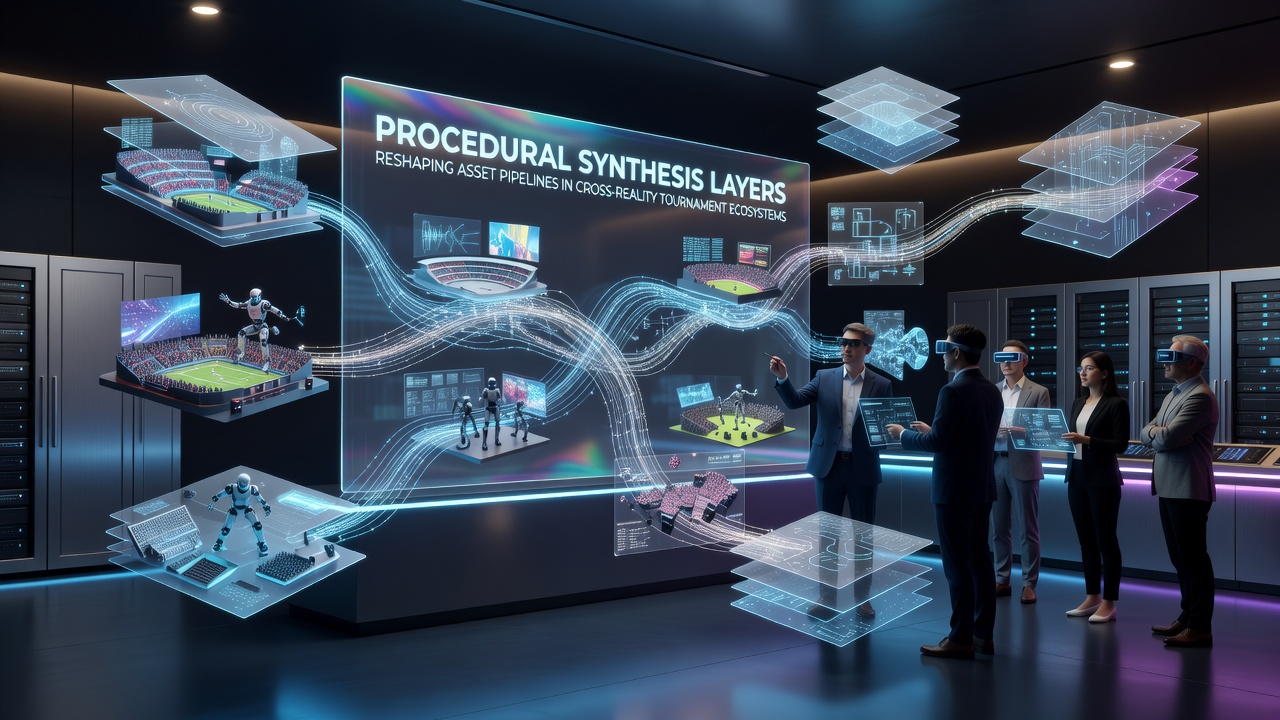
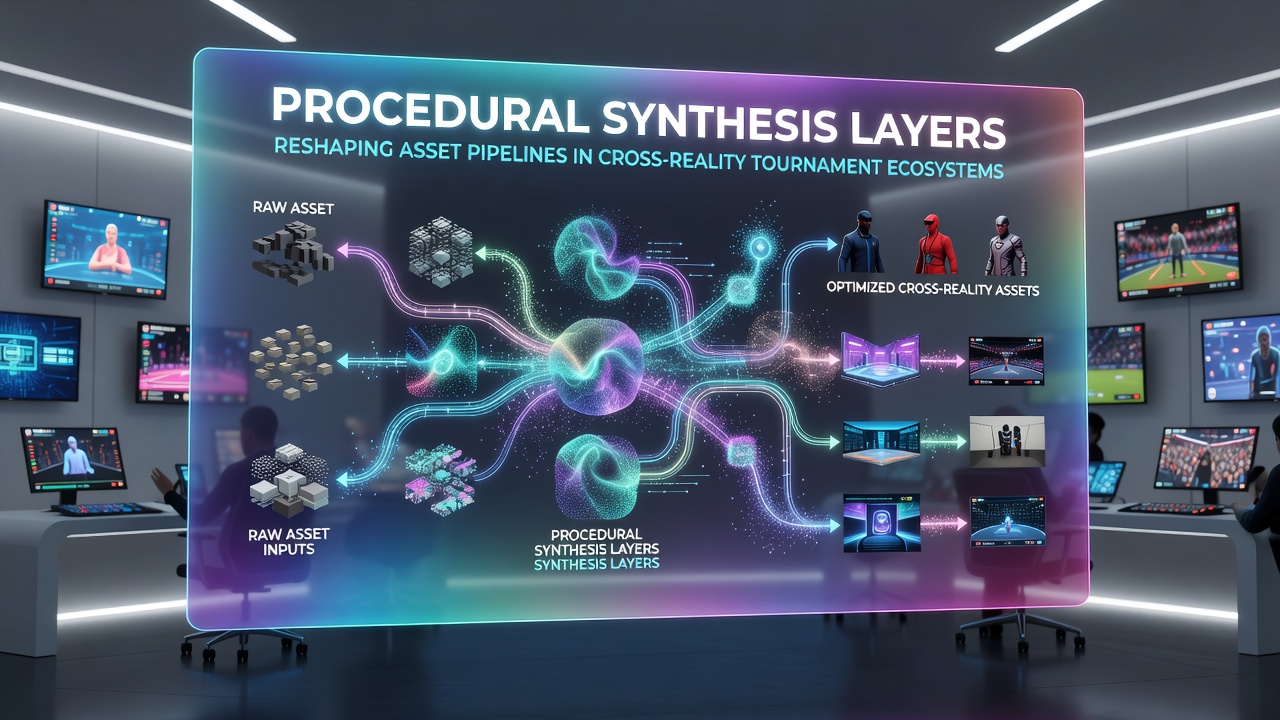
Procedural synthesis layers have begun reshaping how asset pipelines operate inside cross-reality tournament ecosystems, where virtual, augmented, and mixed-reality environments run simultaneously during competitive events. These layers generate geometry, textures, and behaviors on demand instead of relying solely on pre-built files that teams must store and stream across multiple platforms. Data from industry reports shows that studios adopting layered synthesis reduced asset storage needs by up to 40 percent while maintaining visual consistency across headsets and mobile devices used in the same match.
Observers note that the approach separates core rules from surface details, allowing one set of procedural instructions to feed several reality layers at once. In practice this means a single synthesis layer can produce a tournament arena that appears solid in virtual reality yet translucent when viewed through augmented overlays on spectator tablets. Tournament organizers in June 2026 reported smoother integration during live events because updates propagate through the layers rather than requiring separate asset swaps for each device type.
Core Mechanics Behind the Layers
Each procedural synthesis layer contains modular nodes that define constraints such as scale limits, collision rules, and lighting responses. When a new tournament map loads, the system evaluates player density and device capabilities first, then activates only the nodes required for that session. Researchers at academic institutions including those affiliated with European Union technology programs have documented how this selective activation cuts render calls by roughly 30 percent compared with traditional pipelines that preload full asset sets.
Because the layers remain independent, artists can edit a single node to alter vegetation density across every reality variant without touching base geometry. This modularity has proven useful in esports leagues that run hybrid events, where some competitors use full virtual reality rigs while others join through augmented-reality glasses on standard hardware. The same synthesis instructions serve both groups, which reduces the chance of visual mismatches that previously disrupted fair play.
Integration with Existing Tournament Infrastructure
Cross-reality tournaments already rely on synchronized clocks and shared game-state servers, so procedural layers slot into those systems by exchanging lightweight parameter packets instead of full meshes. When a player crosses from one reality zone to another, the client requests only the delta values needed to adapt the current layer, keeping bandwidth under control even during peak match hours. Figures from trade associations in North America indicate that average data usage per player dropped noticeably after several major organizers adopted the technique in early 2026.
Pipeline teams have also started linking synthesis layers directly to biometric and performance telemetry feeds. When match analytics detect rising player stress levels, a dedicated layer can introduce calmer environmental cues without altering the core competitive layout. This adjustment happens server-side and reaches every participant at the same frame, preserving competitive integrity across device classes.
Case Examples from Recent Events
One prominent league running events across Asia and Oceania integrated synthesis layers to handle rapid venue changes between physical arenas and digital overlays. Organizers found that updating a single procedural rule set allowed them to adapt crowd density visuals for both on-site augmented displays and remote virtual spectators within minutes. Similar workflows appeared in Canadian collegiate competitions where hardware variety among participants made traditional asset management impractical.
Those who've studied these deployments note that version control also improves because each layer maintains its own revision history. When a bug appears in one reality variant, developers can roll back just that layer without affecting others, shortening downtime between tournament rounds.
Future Pipeline Adjustments
Industry groups continue to refine standards for layer interoperability so that tools from different vendors can exchange synthesis instructions without custom translators. Work on these standards gained momentum after several regulatory bodies in the Asia-Pacific region requested clearer documentation on asset provenance for competitive integrity audits. The result has been more transparent pipelines that still support the creative flexibility required by evolving cross-reality formats.
Conclusion
Procedural synthesis layers continue to embed themselves deeper into cross-reality tournament ecosystems by offering scalable asset generation that respects the constraints of multiple simultaneous realities. As more organizers adopt the approach, the separation between content creation and delivery narrows, allowing pipelines to respond to live conditions while preserving consistency for competitors and audiences alike.