Neural Processors Drive Precision in Decentralized Mobile Esports Calibration Systems
Drew Jenkins · Jul 15, 2026
Neural Processors Drive Precision in Decentralized Mobile Esports Calibration Systems
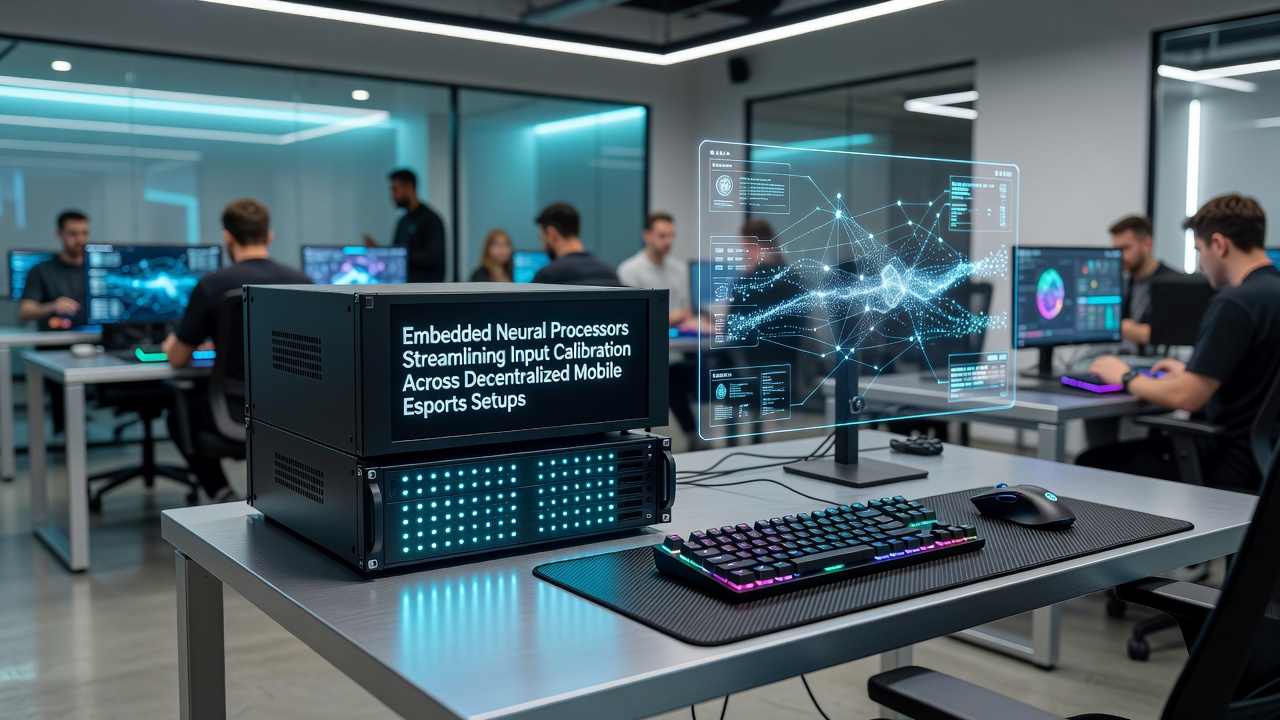
Data from industry reports indicate that embedded neural processors now handle real-time input calibration across mobile esports devices operating in decentralized networks. These specialized chips process sensor data locally, adjusting touch sensitivity, gyroscope alignment, and accelerometer readings without relying on central servers. Observers note that this approach reduces latency in competitive play while supporting setups where players connect through distributed nodes rather than fixed infrastructure. Researchers at various institutions have documented how these processors apply lightweight machine learning models to detect and correct input drift. In July 2026, multiple tournament organizers reported improved consistency in player performance metrics after deploying devices equipped with such hardware. The processors analyze patterns from individual sessions, then apply corrections that adapt to environmental factors like device temperature and grip variations.Core Mechanisms Behind Local Calibration
Embedded neural processors operate by running inference directly on the device, which allows calibration adjustments to occur within milliseconds. They combine data from multiple onboard sensors, then refine mappings for virtual controls or physical attachments used in mobile esports. Studies conducted through academic partnerships reveal that this method maintains accuracy even when network conditions fluctuate, a common challenge in decentralized configurations where devices communicate peer-to-peer or via edge relays.
Engineers design the models to prioritize efficiency, fitting within the power constraints of mobile hardware while delivering consistent results across different device models. One documented case involved a series of regional tournaments where input inconsistencies dropped measurably after teams switched to processors capable of on-device retraining during matches.
Integration with Decentralized Network Architectures
Decentralized mobile esports setups distribute processing tasks across participant devices rather than concentrating them in cloud instances. Neural processors support this model by performing calibration locally and sharing only aggregated calibration parameters when needed. Figures from technical evaluations show reduced bandwidth usage compared with traditional server-based calibration systems, since raw sensor streams remain on the device.
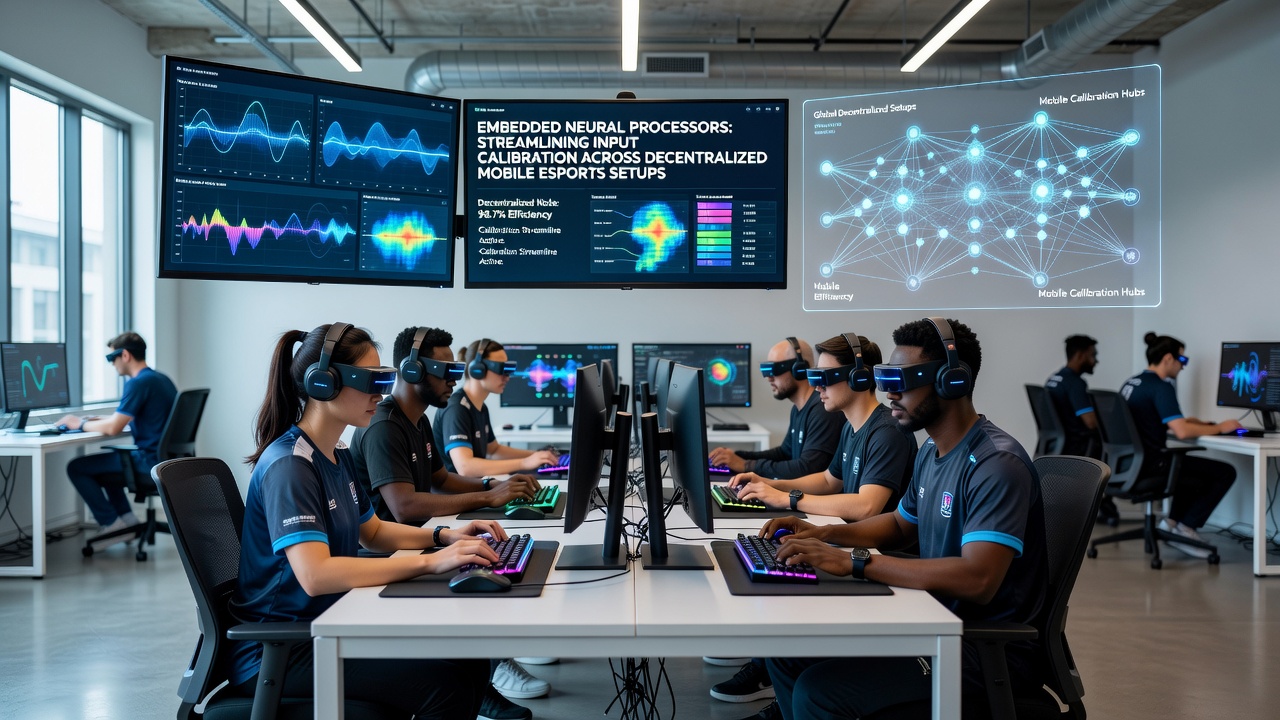
What's notable is how these processors enable synchronization across heterogeneous hardware. Players using different smartphone models can maintain comparable input responses because each device calibrates independently yet aligns outputs through standardized protocols. Data collected during 2026 events demonstrated that variance in registered inputs decreased by measurable margins when neural processors managed the process.
Performance Metrics and Deployment Trends
Industry analyses indicate steady adoption among professional mobile esports teams. Calibration times have shortened from several seconds to under one second in many cases, according to hardware testing summaries released by research consortia. The processors also contribute to longer battery life during extended sessions by optimizing sensor polling rates based on learned usage patterns.
Examples from European and Asian leagues illustrate the pattern. Teams that integrated the technology reported fewer disputes over input registration during high-stakes matches. Regulatory bodies focused on digital competition standards, including those in Canada and Australia, have begun referencing such hardware capabilities when evaluating fairness protocols for mobile platforms.
Future Hardware and Software Developments
Manufacturers continue refining neural processor architectures to handle additional sensor types, including pressure-sensitive screens and advanced haptic feedback systems. Software frameworks now allow tournament operators to distribute updated calibration models across decentralized networks without interrupting ongoing events. Academic papers published in mid-2026 highlight improvements in model robustness against spoofing attempts, an emerging concern in competitive environments.
Those monitoring the space observe that integration with existing mobile chipsets has accelerated, reducing the need for dedicated coprocessors in newer flagship devices. This trend supports broader accessibility for amateur and professional players alike.
Conclusion
Embedded neural processors have established a measurable role in maintaining input accuracy within decentralized mobile esports environments. Their capacity for local, adaptive calibration addresses challenges inherent to distributed network topologies while supporting consistent competitive standards. Ongoing hardware refinements and protocol developments suggest continued integration across global tournaments and training systems.