Magnetic Innovations Propel Gamepad Accuracy in Global Tournament Arenas
Devon Schwarz · Jul 1, 2026
Magnetic Innovations Propel Gamepad Accuracy in Global Tournament Arenas
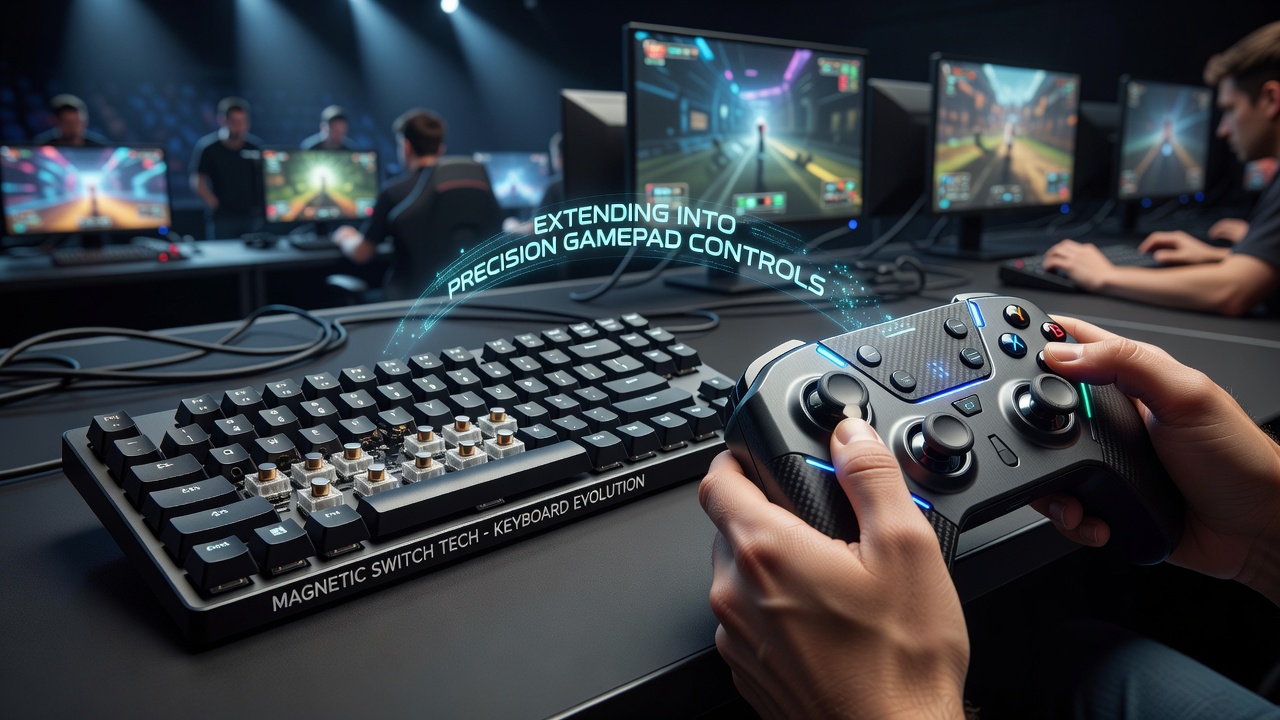
Hall effect sensors detect changes in magnetic fields to register input without physical contact between components, and this approach has moved from keyboard applications into gamepad hardware used across professional circuits. Tournament organizers report that controllers equipped with these sensors deliver consistent response times because the technology eliminates mechanical wear points that previously caused drift or inconsistent actuation. Data from circuit events shows reduced failure rates during extended matches, which allows players to maintain focus on strategy rather than equipment adjustments.
Core Mechanics Behind Magnetic Detection in Controllers
Traditional potentiometers in analog sticks rely on sliding contacts that degrade over time, yet Hall effect implementations use a magnet and sensor pair to measure position through variations in voltage output. Engineers calibrate these systems to provide linear readings across the full range of motion, and firmware translates those readings into digital signals with minimal latency. Multiple manufacturers have introduced adjustable sensitivity curves that teams can program between rounds, which supports different playstyles without requiring hardware swaps.
Trigger mechanisms also incorporate the same magnetic principle so that partial pulls register at precise depths. Circuit participants note that this granularity improves execution of complex inputs in fighting games and shooters where timing windows measure in milliseconds. Calibration protocols developed for these controllers include temperature compensation routines because magnetic field strength can shift slightly under heat generated during long sessions.
Integration Patterns Across Major Circuits
Events scheduled for July 2026 in both European and North American venues have begun requiring pre-tournament controller inspections that include magnetic sensor verification. Organizers coordinate with hardware vendors to ensure firmware versions match approved lists, which prevents disputes over input accuracy. Teams have documented cases where players switched to magnetic gamepads mid-season and recorded measurable improvements in aim consistency metrics tracked by league analytics platforms.
Supply chains for these components now route through specialized facilities in Asia and North America, while regulatory bodies such as the Innovation, Science and Economic Development Canada review electromagnetic compatibility standards that apply to wireless variants. Academic studies from institutions like the Technical University of Munich have examined signal integrity under tournament lighting and crowd noise conditions, confirming that properly shielded magnetic sensors maintain performance levels comparable to laboratory results.
Performance Data and Maintenance Advantages
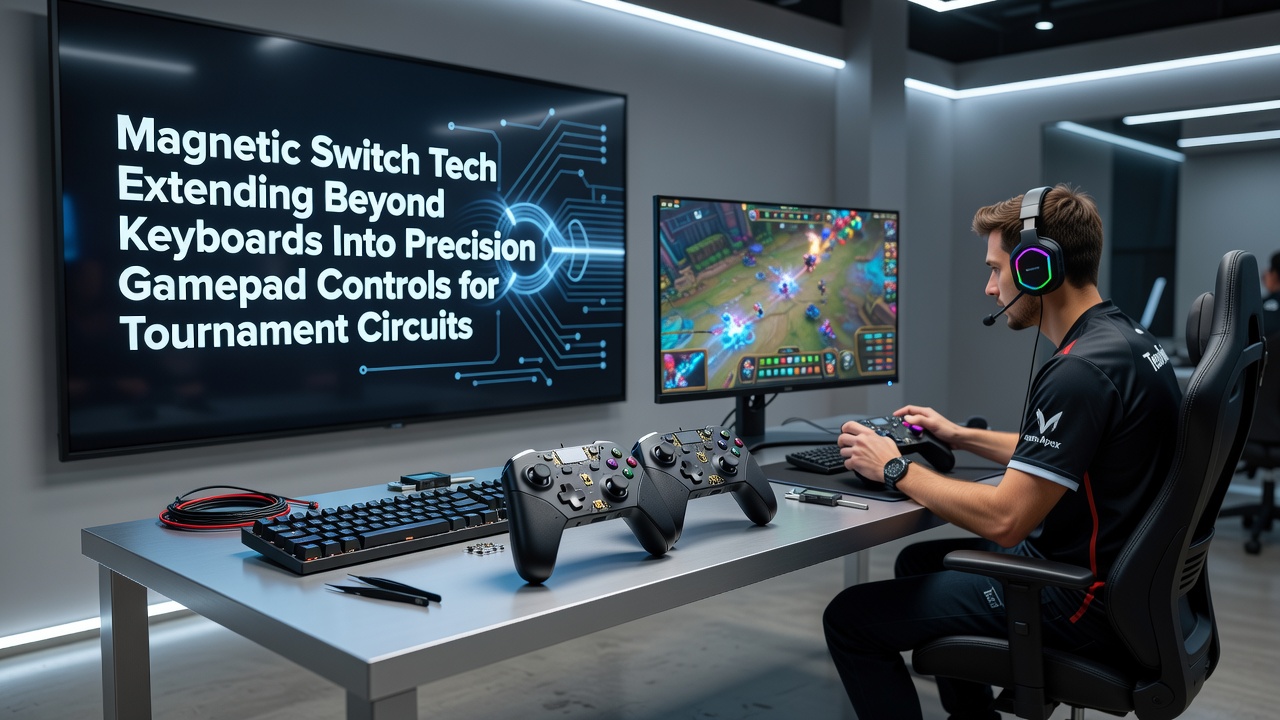
Longitudinal tracking from several circuits indicates that magnetic gamepads retain calibration accuracy beyond 500 hours of competitive use, whereas earlier potentiometer models required replacement at roughly half that interval. Maintenance crews carry portable calibration jigs that verify sensor output against reference magnets, and these tools allow quick field adjustments before matches begin. The absence of physical contacts also reduces the accumulation of dust and skin oils inside the housing, which extends operational life in arena environments where air filtration varies.
Software tools distributed by controller makers let teams log individual stick curves and share profiles through secure cloud repositories. Observers note that this standardization helps level the field when players borrow backup units during equipment failures. Figures released by circuit statisticians show a decline in technical timeouts attributed to controller issues since magnetic models gained wider adoption in 2025.
Emerging Standards and Cross-Platform Compatibility
Industry groups including the International Game Developers Association have begun drafting guidelines for magnetic sensor output ranges to promote interoperability between different console ecosystems. These recommendations cover deadzone settings and polling rate expectations that tournament networks enforce during qualification rounds. Developers of fighting game titles have released patches that recognize the higher resolution input data from magnetic triggers, enabling new combo systems that reward finer control.
Wireless implementations add another layer because Bluetooth and proprietary radio modules must transmit the denser sensor data without introducing additional lag. Battery management systems now account for the constant low-power draw of Hall sensors, and teams report that optimized power profiles allow full day coverage on a single charge during multi-stage events.
Conclusion
Magnetic switch technology continues to expand its footprint in precision gamepad hardware as tournament circuits adopt standardized testing and calibration procedures. Performance records from recent seasons demonstrate measurable gains in reliability and input consistency, while ongoing work by regulatory agencies and academic researchers refines compatibility and electromagnetic standards. The shift supports longer equipment lifespans and reduces downtime, allowing circuits to focus resources on competition integrity rather than hardware troubleshooting.