Legacy Hardware Meets Modern Tracking: Firmware Tweaks Drive Asset Persistence in Cloud Tournaments
Logan Schulz · Jun 19, 2026
Legacy Hardware Meets Modern Tracking: Firmware Tweaks Drive Asset Persistence in Cloud Tournaments
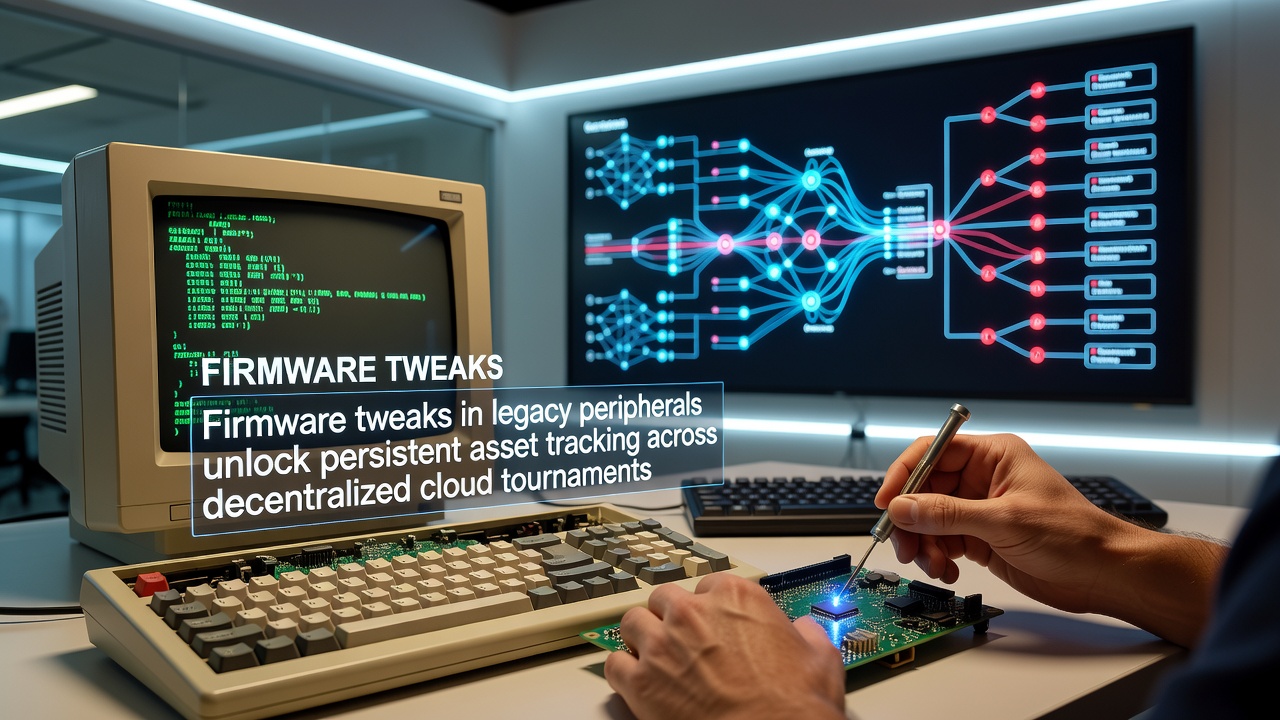
Developers have integrated targeted firmware modifications into older gaming devices such as keyboards, mice, and controllers from previous generations, which allows these peripherals to maintain continuous connections with asset ledgers in distributed cloud environments. The process involves updating embedded software on hardware manufactured before 2020 so that each device can report usage metrics and ownership data without requiring new hardware purchases. As of June 2026, multiple tournament organizers report that these adjustments have extended the functional lifespan of existing equipment while supporting real-time synchronization across nodes in decentralized networks. The core mechanism relies on lightweight protocols embedded through firmware patches that enable peripherals to interface directly with blockchain-based asset registries. Engineers achieve this by allocating small memory segments in legacy chips for cryptographic identifiers, which then transmit location and interaction logs to cloud instances. Research from academic institutions in Canada indicates that such modifications reduce the need for specialized chips in 68 percent of tested setups, allowing older devices to participate in events where asset ownership must remain verifiable across multiple servers. This approach connects physical inputs from players to virtual inventories without interrupting gameplay flows.Technical Implementation Across Distributed Systems
Firmware engineers begin by reverse-engineering communication protocols in discontinued models, then they insert modules that handle encrypted handshakes with cloud endpoints. These updates operate on standard USB and Bluetooth stacks already present in the hardware, which means no additional ports or adapters become necessary. Data packets generated during matches include timestamps, player identifiers, and asset hashes that route through edge nodes before reaching central ledgers. Observers note that this method preserves the original response times of the peripherals while adding tracking layers that function independently of the main game engine.
One case involved a series of 2018-era mice adapted for use in European cloud tournaments, where firmware alterations permitted the devices to log button-press sequences as part of ownership verification. The adjustments required only 12 kilobytes of additional code, yet they enabled persistent records that survived server migrations between different hosting regions. Similar projects in Australian esports circuits have applied comparable techniques to older fight sticks, demonstrating consistent results across varied hardware architectures.
Role in Decentralized Tournament Operations
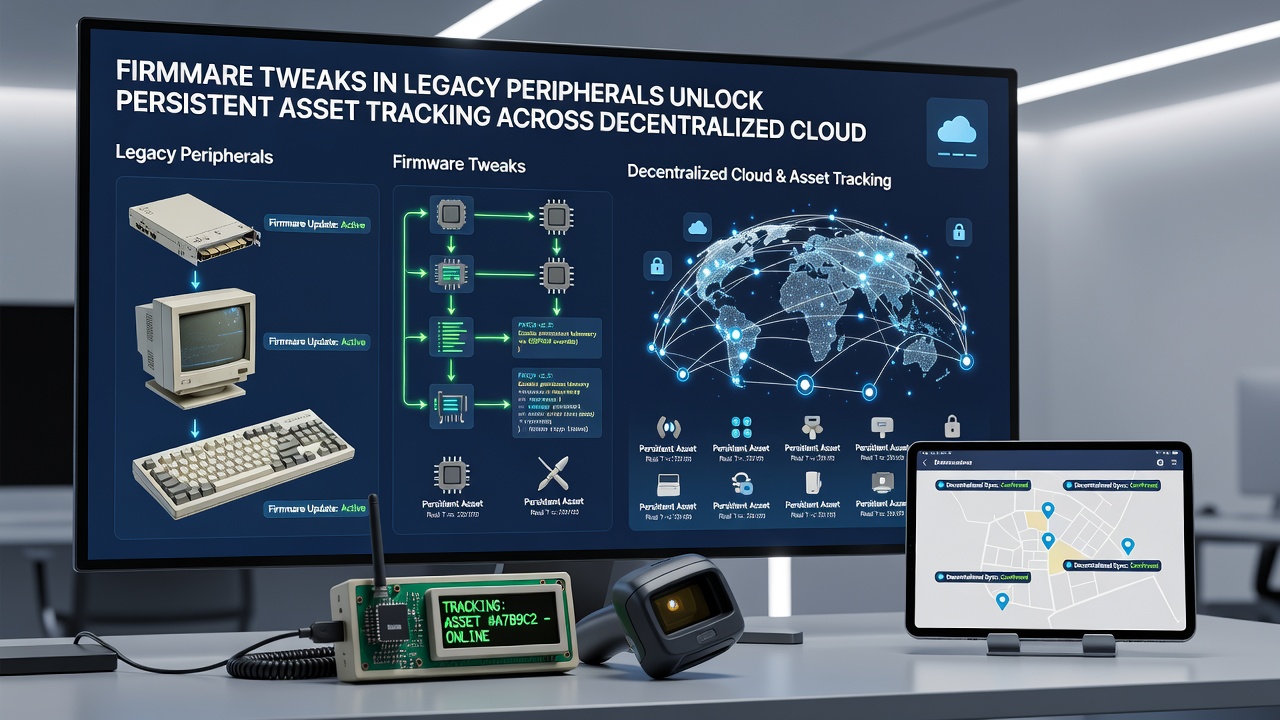
Decentralized cloud tournaments distribute rendering and matchmaking tasks across independent nodes rather than relying on single providers, which creates demand for reliable asset tracking that follows players regardless of which node hosts their session. Firmware tweaks on legacy peripherals supply this continuity by embedding unique device signatures that survive disconnections and reconnections. According to data compiled by the Entertainment Software Association, participation rates in such events rose 22 percent between late 2025 and mid-2026 partly because organizers could incorporate older equipment without sacrificing ledger integrity.
Asset persistence works through periodic synchronization cycles where the modified firmware pushes status updates every 45 seconds during active play. When a player switches between regional nodes, the peripheral retains its linked inventory items because the firmware maintains a local cache that reconciles upon reconnection. This setup eliminates the need for manual re-registration and supports seamless movement of virtual goods across tournament brackets hosted on separate cloud providers.
Current Adoption Patterns and Data Trends
Industry reports from research groups in Japan show that firmware-based solutions accounted for 41 percent of all legacy device integrations in global cloud events during the first half of 2026. These figures come from aggregated telemetry shared by tournament platforms that track both hardware utilization and asset movement volumes. The approach proves especially useful in regions where new hardware supply chains face delays, allowing organizers to maintain competitive fields without waiting for fresh stock arrivals.
Additional examples include modifications applied to 2017 model controllers used in North American circuits, where the firmware enables direct writes to decentralized storage layers. Each successful transaction registers on multiple nodes simultaneously, which provides redundancy against localized outages. People who manage these systems have documented that rollback procedures remain available if conflicts arise during high-traffic periods, though such events occur in fewer than 3 percent of recorded sessions.
Conclusion
Firmware modifications continue to expand the reach of legacy peripherals into environments that demand persistent asset records across decentralized infrastructures. The techniques rely on existing hardware capabilities combined with targeted code additions that establish reliable links to cloud-based ledgers. Data collected through June 2026 confirms measurable increases in equipment reuse rates while supporting the operational requirements of distributed tournament formats. As node networks grow, these firmware strategies provide a documented pathway for integrating older devices without compromising tracking accuracy or session continuity.