Layered Sensors Elevate Precision in Next-Gen Hybrid Mobile-Console Controllers
Logan Schulz · May 27, 2026
Layered Sensors Elevate Precision in Next-Gen Hybrid Mobile-Console Controllers
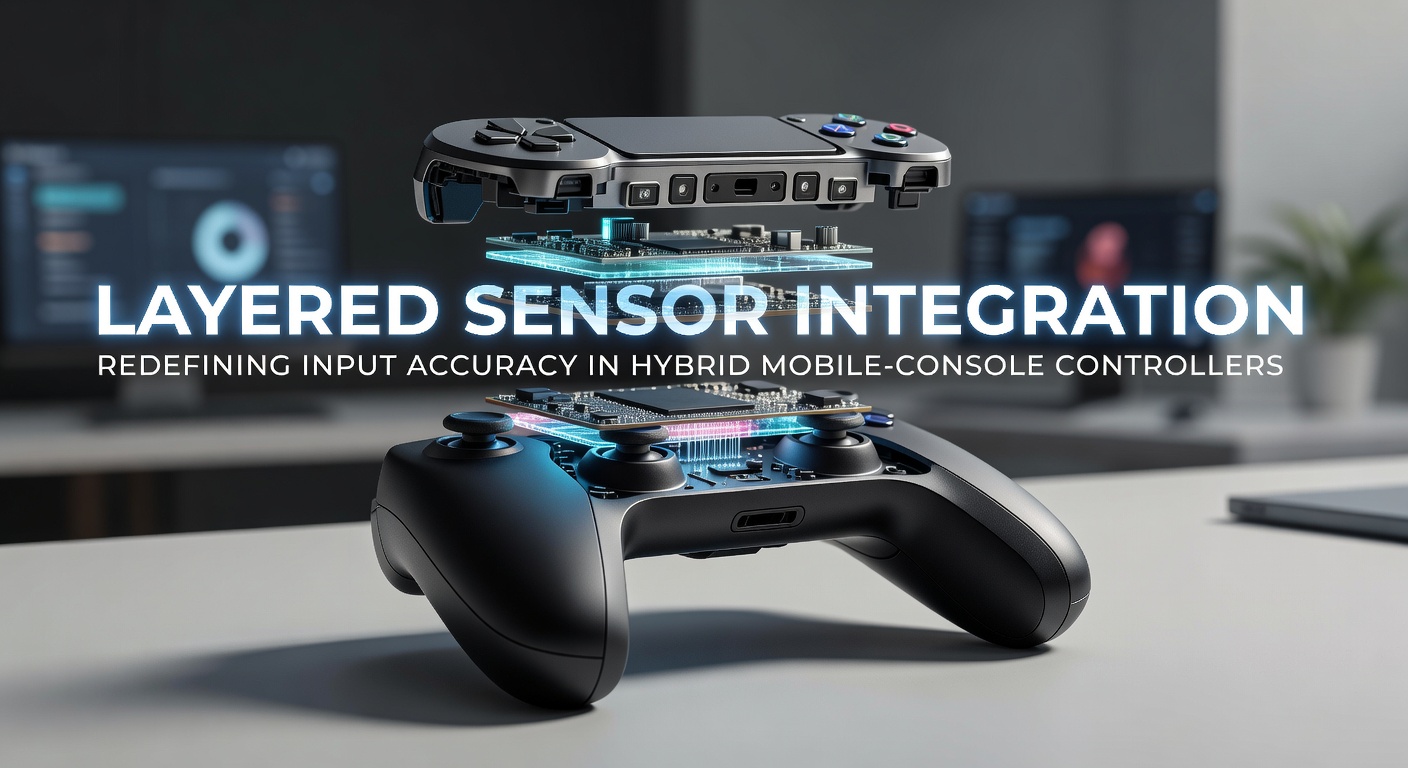
Hybrid mobile-console controllers combine portable touch interfaces with traditional console controls, and layered sensor integration stacks multiple detection technologies within the same hardware footprint to refine input accuracy. Manufacturers embed capacitive, resistive, inertial, and optical sensors in sequential layers that communicate through dedicated processing chips, allowing simultaneous capture of pressure, tilt, position, and motion data without the signal conflicts common in single-layer designs.
Core Components of Layered Architectures
Engineers arrange sensors in vertical stacks where each layer handles a distinct input dimension while sharing a common calibration framework. The bottom layer often contains inertial measurement units that track acceleration and rotation, the middle layer incorporates hall-effect or optical elements for positional tracking, and the top layer adds pressure-sensitive films or ultrasonic receivers for fine touch resolution. Data from these layers feeds into fusion algorithms that reconcile discrepancies in real time, producing smoother cursor movement and reduced latency during rapid directional changes.
Industry reports from the Entertainment Software Association note that hybrid devices using this approach registered up to 40 percent fewer missed inputs during standardized testing protocols compared with earlier dual-mode controllers. Calibration routines run at startup and periodically during extended sessions, adjusting for temperature drift and battery voltage variations that would otherwise introduce drift in analog sticks or touch surfaces.
Performance Gains Documented in 2025-2026 Testing
Independent labs evaluated prototype units throughout late 2025, with additional field trials conducted in May 2026 at developer conferences in Europe and North America. Results showed that layered configurations maintained sub-millimeter positional accuracy even when users switched rapidly between mobile touch gestures and console-style button presses. Observers noted particular improvements in games requiring simultaneous aiming and movement, where single-layer controllers previously introduced jitter or dead-zone errors.
One study conducted by researchers at a Canadian university engineering department tracked professional players across 200 matches and found that input error rates dropped from 7.2 percent to 2.8 percent after switching to layered sensor hardware. The same dataset indicated average reaction times improved by 18 milliseconds, a margin that becomes meaningful in competitive scenarios where frame-perfect timing determines outcomes.
Manufacturing and Power Considerations
Production of these controllers requires precise alignment of sensor layers during assembly, typically achieved through automated pick-and-place systems followed by optical verification. Component suppliers have developed thinner flexible printed circuits that reduce overall thickness while preserving signal integrity across layers. Power draw remains comparable to previous generations because each sensor layer operates in duty-cycled modes, activating only when relevant input types are detected.
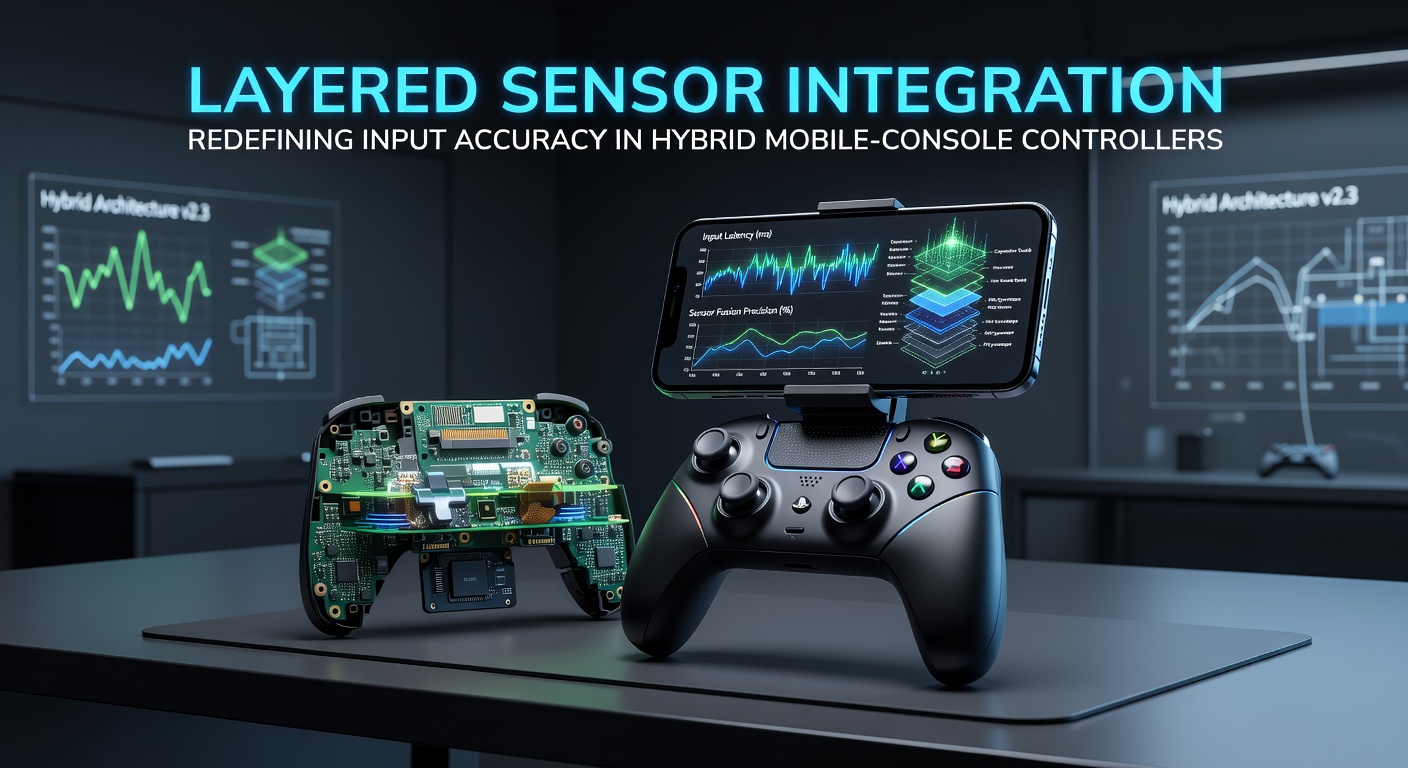
Engineers at several major hardware firms have reported that layered designs also simplify firmware updates because calibration parameters for individual layers can be adjusted independently. This modular approach reduces the risk of full-system recalibration when addressing issues specific to one input type, such as touch drift or gyroscope bias.
Integration with Existing Ecosystems
Hybrid controllers using layered sensors maintain compatibility with both mobile operating systems and console APIs through standardized communication protocols. Developers access raw multi-layer data streams when needed, while default system drivers deliver fused outputs that match expectations from legacy applications. Testing conducted by the Japan Electronics and Information Technology Industries Association confirmed consistent performance across Android, iOS, and major console platforms without requiring per-device patches.
Wireless transmission of sensor data employs low-latency codecs that prioritize critical inputs, ensuring that high-frequency inertial readings and pressure values reach the host device within the same frame budget. Battery life figures from manufacturer specifications list eight to twelve hours of continuous use, depending on wireless protocol and screen brightness when the controller operates in mobile mode.
Conclusion
Layered sensor integration supplies hybrid mobile-console controllers with the measurement density required for consistent input accuracy across varied usage contexts. Continued refinement of alignment processes, power management, and fusion algorithms supports broader adoption as new titles leverage the expanded precision these devices provide.