Integrated Machine Learning Systems Transform Esports Peripheral Customization
Xander Lorenz · Jul 31, 2026
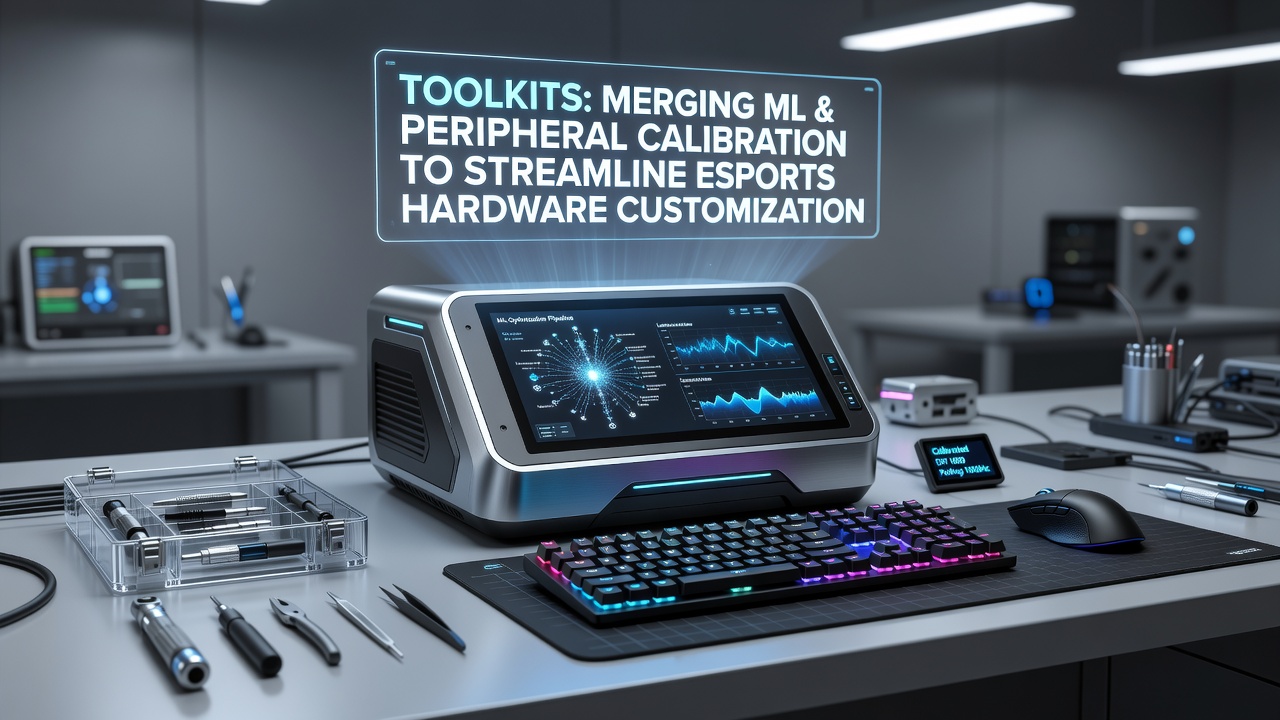
Integrated Machine Learning Systems Transform Esports Peripheral Customization
Toolkits that combine machine learning algorithms with peripheral calibration routines have begun to alter how esports competitors adjust mice, keyboards, and controllers for individual play styles. These systems collect sensor data during practice sessions then apply models that predict optimal sensitivity curves, polling rates, and button debounce settings without requiring manual tweaks from users.
Core Mechanisms Behind the Integration
Calibration processes start with baseline readings from hardware sensors that track movement, click force, and latency under varied conditions. Machine learning layers process those readings through neural networks trained on aggregated player datasets, which allows the software to identify patterns such as preferred acceleration thresholds or grip-induced drift. Once patterns emerge the toolkit generates custom profiles that update in real time as new data arrives during extended sessions.
Researchers at institutions including the University of Waterloo have documented how these models reduce setup time by analyzing thousands of calibration points per minute while maintaining consistency across different hardware revisions. The approach replaces traditional slider-based interfaces with automated suggestions that account for factors like desk surface texture and ambient temperature fluctuations that affect sensor performance.
Application in Professional Esports Environments
Teams competing in major tournaments have adopted these toolkits to standardize hardware across multiple players while still preserving personal preferences. Data collected from practice matches feeds into shared repositories that let support staff compare calibration outcomes across regions and game titles. In July 2026 several North American organizations reported deploying updated versions that incorporated reinforcement learning to refine profiles between matches without interrupting warm-up routines.
Observers note that the same frameworks support cross-device compatibility so a player can switch from a wired mouse to a wireless controller and retain similar response characteristics. This capability proves especially useful in hybrid events where hardware restrictions vary by venue regulations.
Technical Components and Data Flow
The typical toolkit architecture includes edge processing units that handle initial filtering before sending compressed feature sets to cloud-based training pipelines. These pipelines rely on supervised learning stages that map input vectors to output calibration parameters followed by unsupervised clustering that groups similar play styles for faster recommendation generation. Validation occurs through A/B testing modules that compare new profiles against established baselines using metrics such as hit registration accuracy and movement consistency scores.
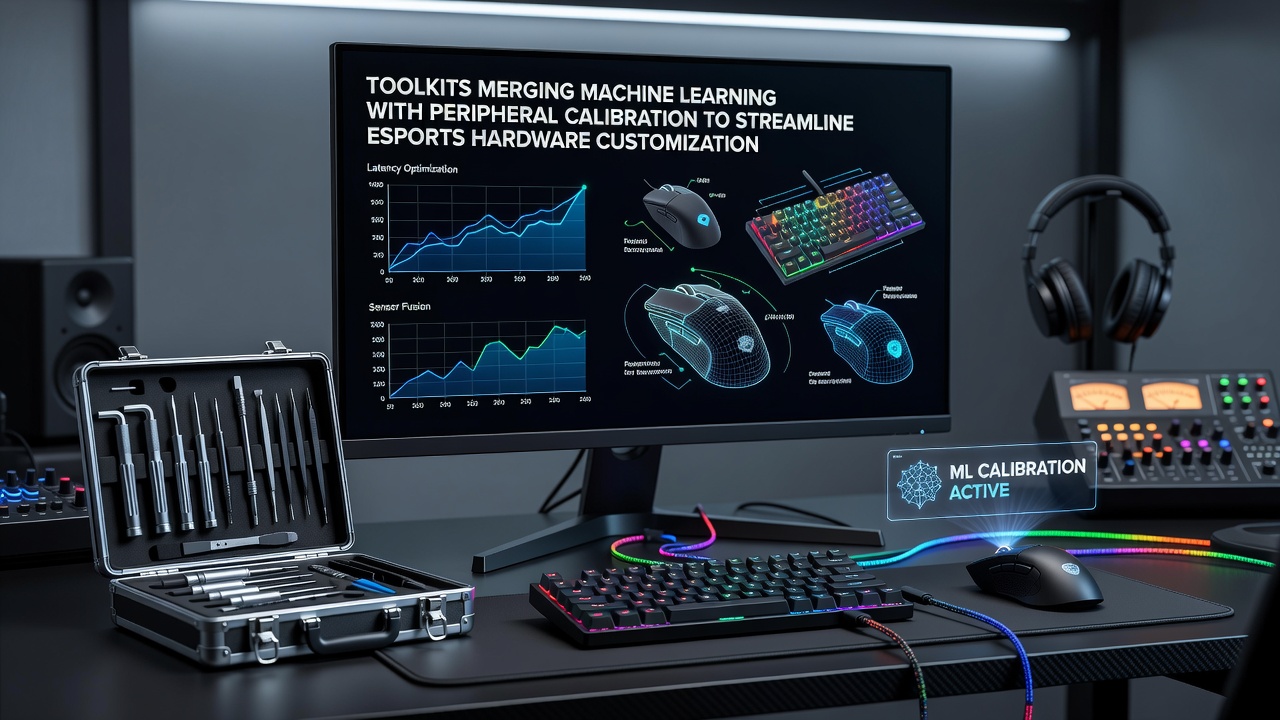
Security layers encrypt player-specific data streams to prevent unauthorized access to performance profiles that teams consider proprietary. Compliance with data handling standards from organizations like the Canadian Digital Technology Supercluster ensures that personal biometric signals remain isolated from broader analytics pools.
Industry Adoption Patterns and Supporting Research
Manufacturers have begun embedding these toolkits directly into firmware update packages so end users receive calibration assistance without separate installations. Reports from the Entertainment Software Association indicate that adoption rates among professional peripherals rose steadily through 2025 as validation studies confirmed measurable improvements in response repeatability. Academic papers from European research consortia have further quantified how machine learning calibration affects muscle fatigue indicators during prolonged training blocks.
Those who have examined implementation logs across multiple device generations point out that the systems adapt to firmware changes automatically, which reduces the need for manual recalibration after driver updates. This self-adjusting behavior stems from continuous model retraining that incorporates fresh sensor readings collected during live events.
Conclusion
Toolkits merging machine learning with peripheral calibration continue to streamline customization workflows for esports hardware by automating what once required extensive manual testing. As datasets expand and algorithms refine their predictive accuracy the approach supports faster transitions between devices while preserving the precision demands of competitive play. Ongoing developments through 2026 suggest further integration with training analytics platforms that link hardware settings directly to in-game performance indicators.