Edge Nodes Power AI Synchronization with Custom Gear in Global Cloud Tournaments
Logan Schulz · Jun 3, 2026
Edge Nodes Power AI Synchronization with Custom Gear in Global Cloud Tournaments
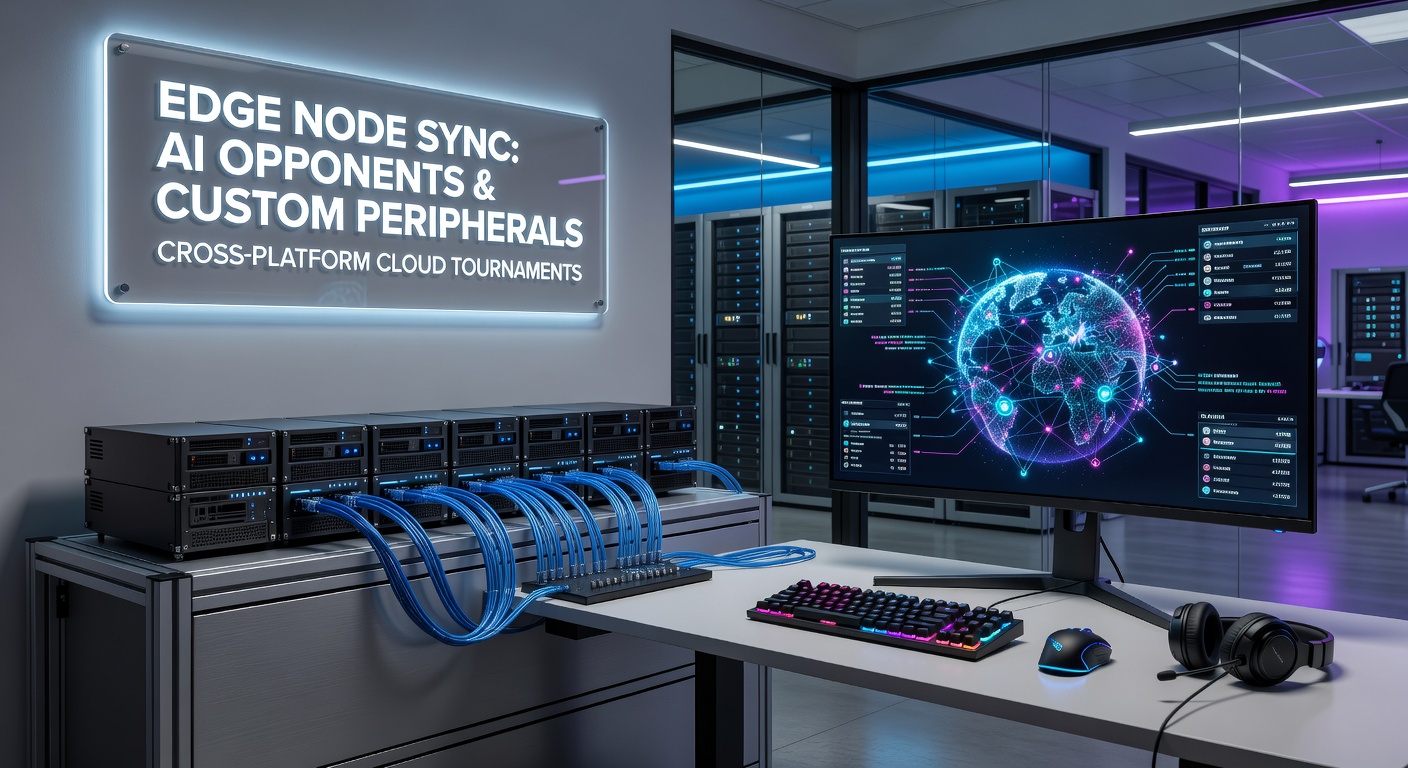
Edge nodes have become central to connecting artificial intelligence opponents with player-owned peripherals across multiple platforms in cloud-hosted tournaments, and this setup reduces latency while maintaining consistent performance for competitors using devices from different manufacturers. Data from industry reports shows that edge infrastructure processes local game states before transmitting updates to central servers, which allows AI entities to respond to inputs from custom controllers, keyboards, and haptic devices without noticeable delays in cross-platform matches.
Understanding Edge Infrastructure in Gaming Networks
Observers note that edge nodes operate at the network periphery, handling computation closer to end users than traditional cloud centers, and this proximity supports real-time synchronization between AI-driven opponents and varied hardware setups in tournaments spanning PC, console, and mobile environments. Research from the Entertainment Software Association indicates that such distributed processing has grown in adoption since 2024, with networks routing AI decision trees through these nodes to match the input profiles of specialized peripherals registered by participants.
Custom peripherals often include modified joysticks with unique button mappings or adaptive triggers calibrated for specific games, yet edge nodes translate these signals into standardized formats that AI models can interpret uniformly regardless of the originating device. Studies from European research consortia reveal that this translation layer prevents mismatches that previously disrupted fairness when players from different regions joined the same event using incompatible equipment.
AI Opponent Integration Mechanisms
AI opponents receive sensor data from player peripherals through these nodes, which apply predictive algorithms to anticipate actions and generate responses that feel responsive during live competitions. According to technical analyses published in 2025, the process involves edge-based filtering of input streams to isolate relevant metrics like timing and pressure before feeding them into machine learning models hosted nearer the tournament servers.
One documented case involved a North American cloud tournament series where participants using hall-effect sensor controllers competed against AI entities that adjusted difficulty based on real-time peripheral telemetry, and the system maintained synchronization across Windows, PlayStation, and Android clients without requiring software patches on individual devices.
Cross-Platform Tournament Dynamics
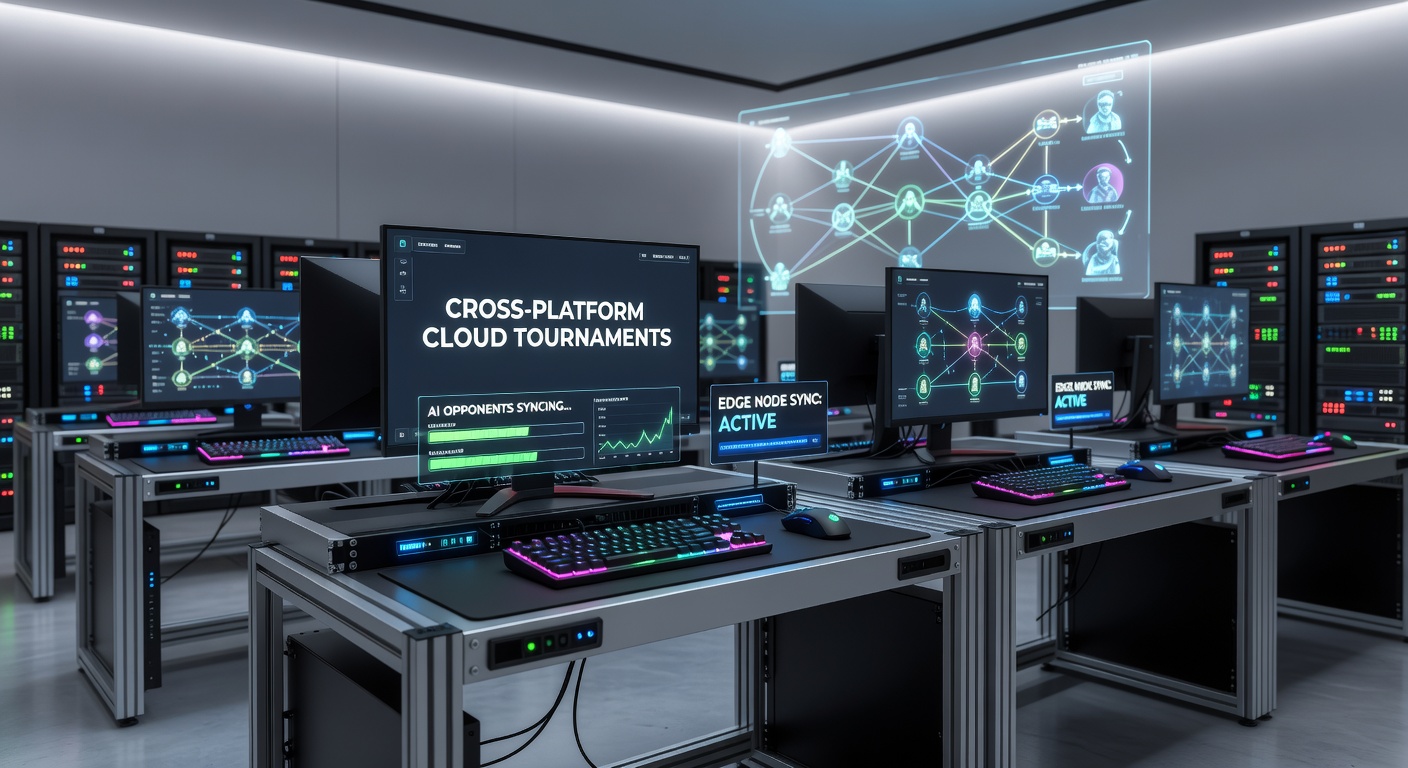
Cloud tournaments scheduled for June 2026 will expand these capabilities further, with organizers planning to incorporate additional device types such as eye-tracking modules and force-feedback rigs that edge nodes will reconcile into shared game environments. Figures from Australian digital infrastructure reports highlight how similar architectures already support mixed-reality events where AI competitors interact seamlessly with players employing custom setups from various vendors.
Yet the architecture also addresses bandwidth constraints by compressing AI state updates at the edge before distribution, which allows tournaments to scale to thousands of simultaneous participants without overwhelming central data centers. Those who manage these systems explain that synchronization protocols prioritize peripheral-specific calibrations to ensure AI behavior remains consistent even when input devices vary in polling rates and feedback mechanisms.
Technical Synchronization Processes
Edge nodes execute lightweight AI inference tasks that align opponent strategies with the capabilities of connected peripherals, and this includes mapping custom button layouts or sensitivity curves into universal action spaces used by the core models. Data indicates that latency reductions from this approach average 15 to 25 milliseconds compared to full cloud routing, according to measurements shared in academic papers from Canadian universities focused on distributed systems.
Players often register their peripherals through tournament platforms beforehand, which enables nodes to preload relevant translation profiles and begin syncing as soon as matches commence. This preparation step proves essential in events where competitors switch between platforms mid-tournament, since the edge layer maintains continuity for both human and AI participants alike.
Conclusion
Edge nodes continue to underpin reliable connections between AI opponents and custom peripherals in cross-platform cloud tournaments by managing localized data flows and input standardization. As these systems evolve through 2026 and beyond, they support expanding participation while preserving competitive integrity across diverse hardware ecosystems.