Biometric Feedback Systems Enhance Endurance Management in Esports Training Networks
Devon Schwarz · Jun 7, 2026
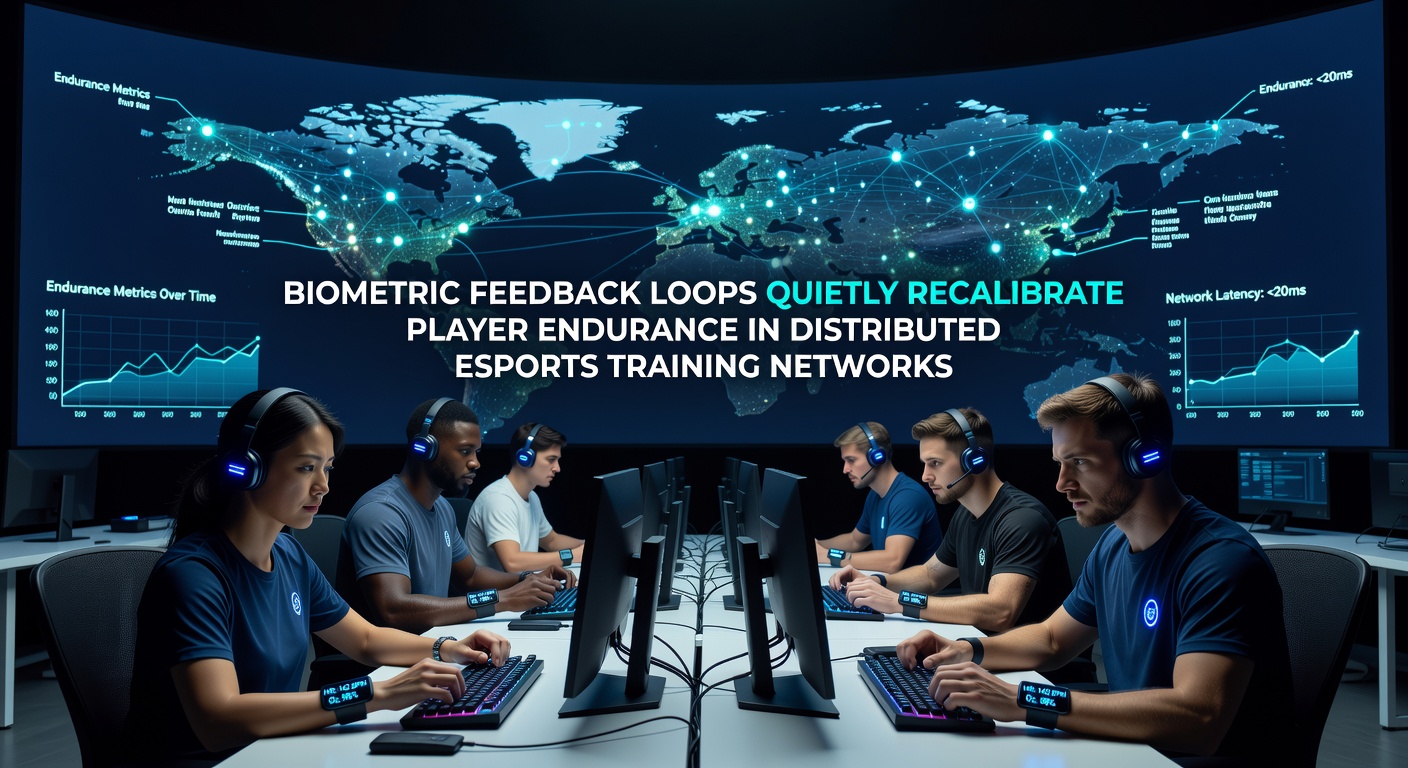
Biometric Feedback Systems Enhance Endurance Management in Esports Training Networks
Biometric feedback loops operate through continuous data streams from wearable sensors that track heart rate variability, muscle oxygenation levels, and neural response patterns during extended training sessions in distributed esports environments, and these systems feed information directly into centralized algorithms that adjust session intensity across multiple remote participants simultaneously. Teams spread across different time zones rely on this setup to maintain consistent performance standards without requiring physical co-location, while the networks synchronize adjustments in real time based on aggregated inputs from each location.
Core Components Driving Recalibration
Distributed training platforms incorporate electrocardiogram patches alongside electromyography bands and eye-tracking modules that capture micro-variations in player fatigue indicators, and these devices transmit encrypted packets to edge servers where machine learning models compare individual baselines against group averages to identify when endurance thresholds approach critical points. Observers note that such recalibrations occur without player intervention because the loops automatically scale difficulty parameters like reaction drills or strategic simulation loads to prevent overexertion while preserving competitive edge. Research from institutions in Canada indicates that these mechanisms reduce reported recovery times by measurable margins when applied consistently over multi-week cycles.
Network architects design redundancy into the architecture so that a single sensor dropout does not disrupt the overall loop, and instead the system substitutes predictive modeling derived from historical patterns collected from the remaining participants. This approach keeps training continuity intact across continents, whereas earlier centralized setups often halted when connectivity faltered at one node.
Endurance Adjustments in Practice
Players in professional circuits experience recalibrated sessions that extend or shorten based on biometric thresholds, for example a detected drop in oxygen saturation triggers reduced cognitive load exercises while maintaining physical input demands through controller mappings. Data collected through June 2026 deployments across European and North American leagues shows synchronized endurance gains among distributed squads, with aggregate stamina metrics rising steadily when feedback loops operate without interruption. Those who have examined the logs find that individual variations get normalized through the shared network, allowing weaker performers to align closer to team standards over successive iterations.
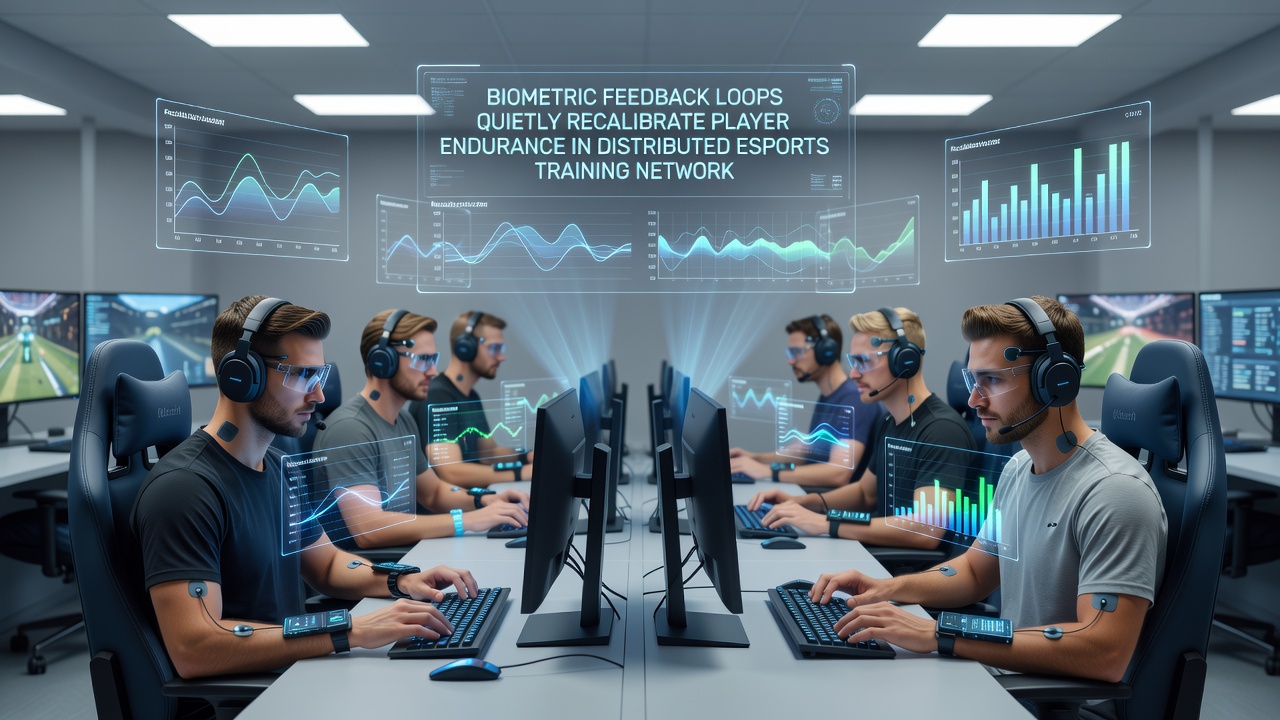
Case studies from Australian esports development programs illustrate how these loops integrate with existing cloud infrastructures to handle latency variations between urban hubs and rural training facilities, and the algorithms compensate by prioritizing certain biometric signals over others when packet delays exceed set tolerances. The result keeps endurance recalibrations accurate even under imperfect conditions, and participants report steadier energy levels across long preparation periods leading into major tournaments.
Network Scale and Data Integration
Global esports organizations now operate training clusters that link hundreds of athletes through shared biometric protocols, and these clusters aggregate anonymized datasets to refine the underlying models that drive individual adjustments. Industry reports from the Asia-Pacific region highlight how such scaling supports cross-regional events without compromising the precision of endurance monitoring, because the distributed nodes perform local preprocessing before forwarding summaries to core analytics engines. What's interesting is that this layered approach minimizes bandwidth requirements while preserving the fidelity needed for reliable recalibrations.
Security protocols encrypt biometric streams at the device level before transmission, and compliance frameworks established by bodies like the European Data Protection Board ensure that player health information remains isolated from competitive analytics. Observers note steady adoption rates among mid-tier professional groups who previously lacked access to enterprise-grade monitoring tools, and the lowered barriers have expanded participation in endurance-focused training regimens across emerging markets.
Future Trajectories Through 2026
Updates scheduled for rollout after June 2026 aim to incorporate additional signals such as cortisol proxies derived from skin conductance, and these expansions will allow finer recalibrations within the same distributed frameworks. Academic collaborations with universities in the United Kingdom have produced preliminary models that forecast endurance plateaus several sessions ahead, enabling proactive network-wide modifications before fatigue accumulates. The integration of these predictive elements builds directly on current biometric loops without requiring hardware overhauls at participant sites.
Conclusion
Biometric feedback loops continue to embed themselves deeper into distributed esports training networks by recalibrating endurance parameters through real-time sensor fusion and algorithmic synchronization, and the approach delivers consistent outcomes across geographically dispersed participants. Evidence from multiple regional deployments confirms measurable improvements in stamina metrics when the systems function uninterrupted, while ongoing refinements promise even tighter alignment between individual physiology and collective training demands in the periods ahead.